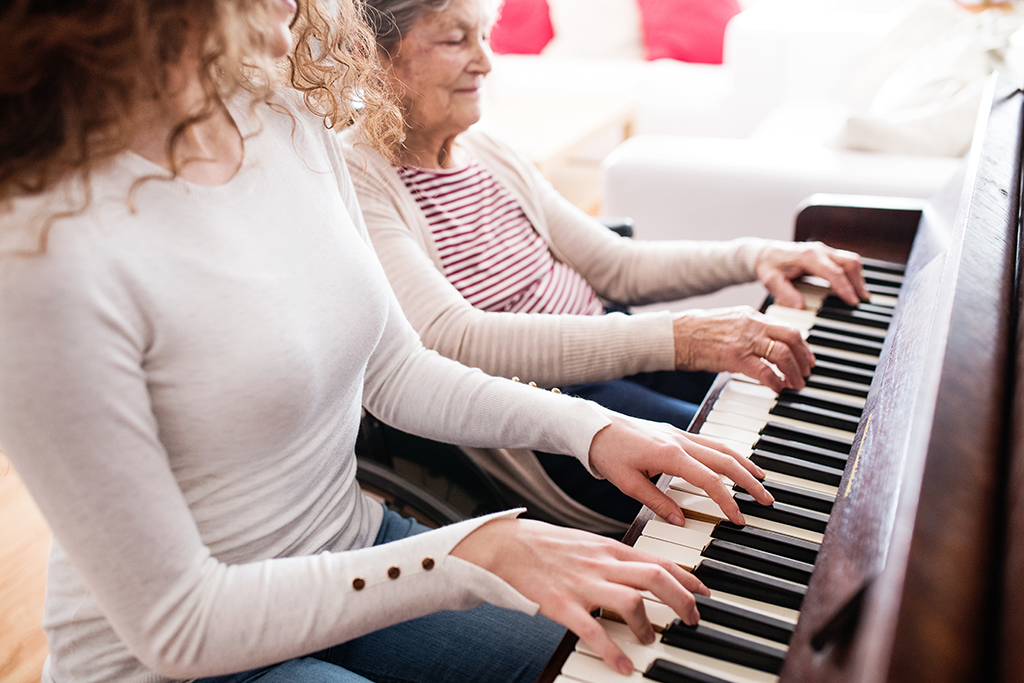
WHO WE SERVE
We provide individual and group music therapy and wellness to persons living with and managing:
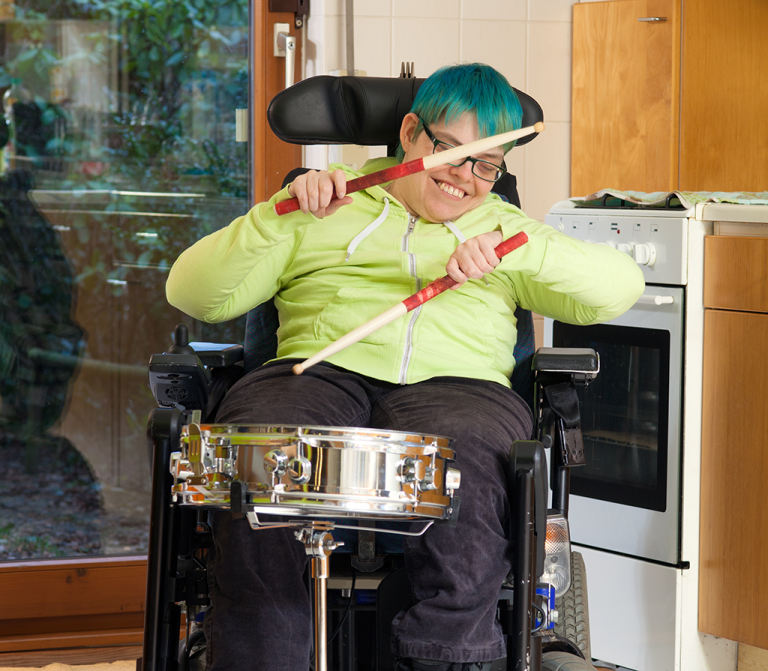
Music Therapy and Developmental Delays
Music Therapy can aid in maintaining, enhancing, and improving cognitive skills, motor skills, receptive and expressive communication, attention, self-regulation, social skills, and sensory integration. We have experience with children and adults diagnosed with:
- Down Syndrome
- ADHD
- Learning Disabilities
- Cerebral Palsy
- Spina Bifida
- Muscular Dystrophy
Music Therapy and Autism
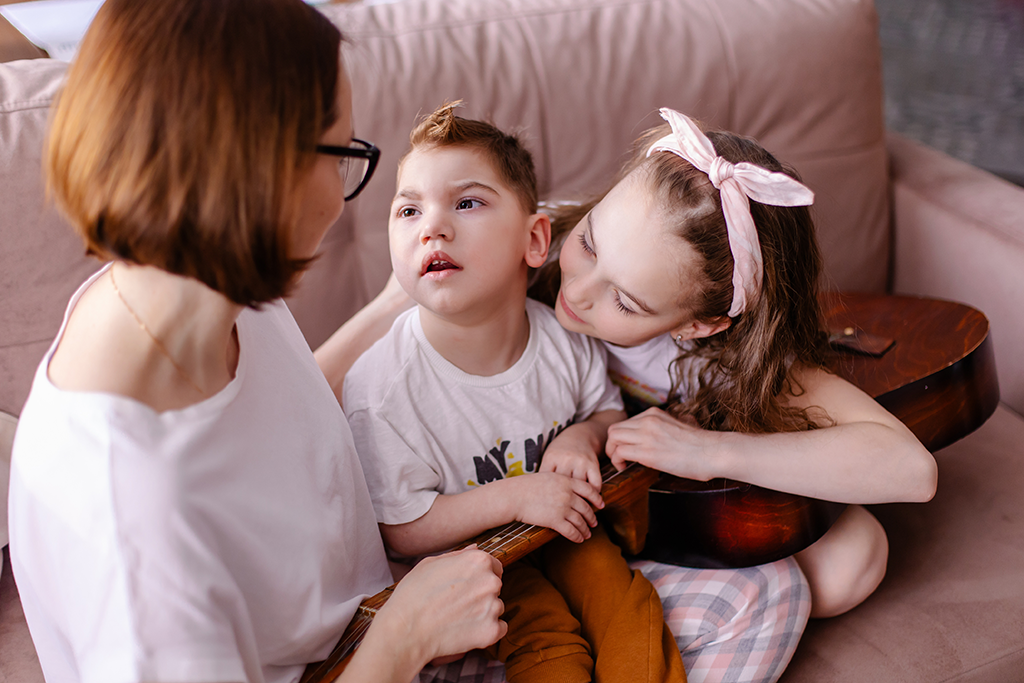
Music Therapy can aid in maintaining, enhancing, and improving cognitive skills, such as attention span and focus; motor skills, such as spatial awareness, motor planning and sequencing, directional concepts; receptive and expressive communication, including vocabulary development and speech initiation; emotional skills, such as self-regulation, frustration tolerance and anger management; social skills, such as peer interaction, turn-taking and play skills
Music Therapy and Mental Health
Music Therapy/active engagement in music experiences can effectively address, in a holistic way, the following goals:
- Improve self-regulation
- Improve coping skills
- Improve interpersonal skills
- Decrease isolation
- Improve depressive symptoms
- Decrease anxiety
- Improve emotional expression


We have experience with children, adolescents, adults and older adults diagnosed with:
- PTSD
- Major Depression
- Bi-Polar Disorder
- Anxiety Disorder
- Obsessive Compulsive Disorder
- Schizophrenia
Music Therapy and Substance Use Disorder
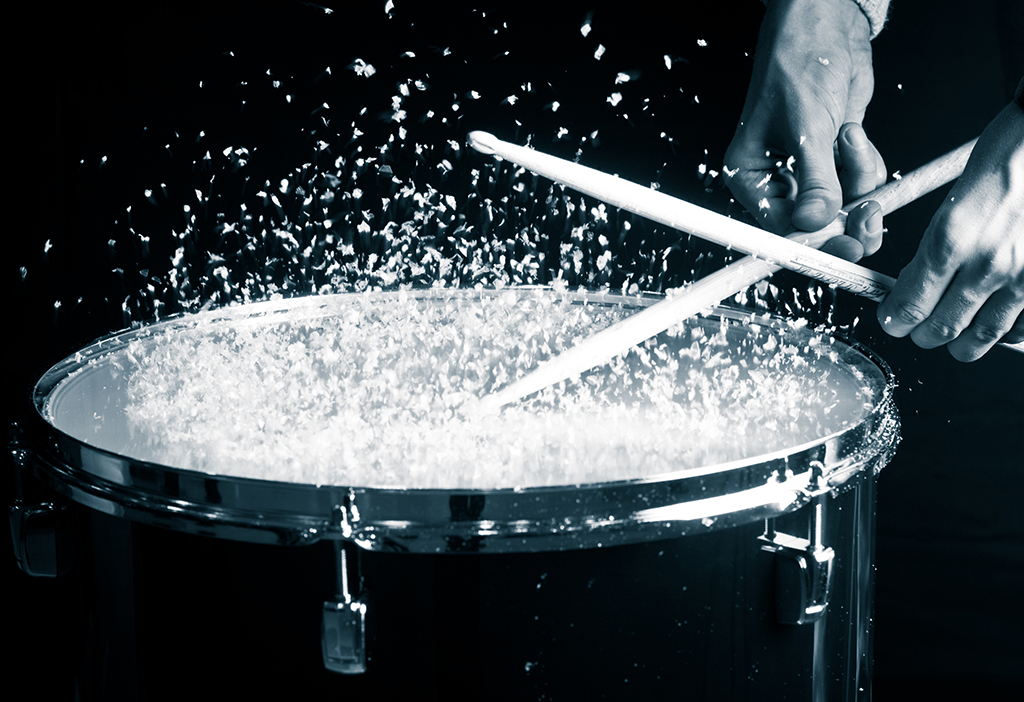
The use of goal-directed music interventions focused on symptom management, fostering relationships with peers and therapists, and providing psychosocial support and education to augment hope, meaning, purpose, and recovery (Carr, Odell-Miller, & Priebe, 2013; Silverman, 2015). We partner the tenets of DBT (Dialectical Behavior Therapy) with music therapy techniques (lyric analysis, mindful drumming and vocal work, songwriting) to promote wellness.

Music Therapy and PTSD
Music can serve as a non-verbal outlet for emotions associated with traumatic experiences, as well as reduce the anxiety and stress associated with the traumatic event and aftermath. Active engagement in music can lead to enhanced feelings of control, confidence, and empowerment, positive changes in mood and emotional states, as well as positive physiological changes, such as lower blood pressure, reduced heart rate, and relaxed muscle tension
Music Therapy and Dementia
Music Therapy/active engagement in music experiences can assist in maintaining, enhancing and improving:
- Long-term and short-term memory
- Range of Motion
- Strength and Flexibility
- Self-Expression
- Communication, both verbal & nonverbal
- Socialization
- Mood and sense of wellbeing


Music Therapy and Parkinsons
Music Therapy/active engagement in music experiences can assist in maintaining, enhancing and improving:
- Improve balance, posture, coordination, gait, reaction speed
- Increase speech volume and articulation
- Improve memory recall, recognition, attention span, concentration
- Decrease anxiety and depression
- Promote self-expression
- Promote connection with others
- Improve Quality of Life
Music Therapy and Multiple Sclerosis
Music Therapy/active engagement in music experiences can assist in maintaining, enhancing and improving:
- Improve balance, posture, coordination, gait, reaction speed
- Increase speech volume and articulation
- Improve memory recall, recognition, attention span, concentration
- Decrease anxiety and depression
- Promote self-expression
- Promote connection with others
- Improve Quality of Life
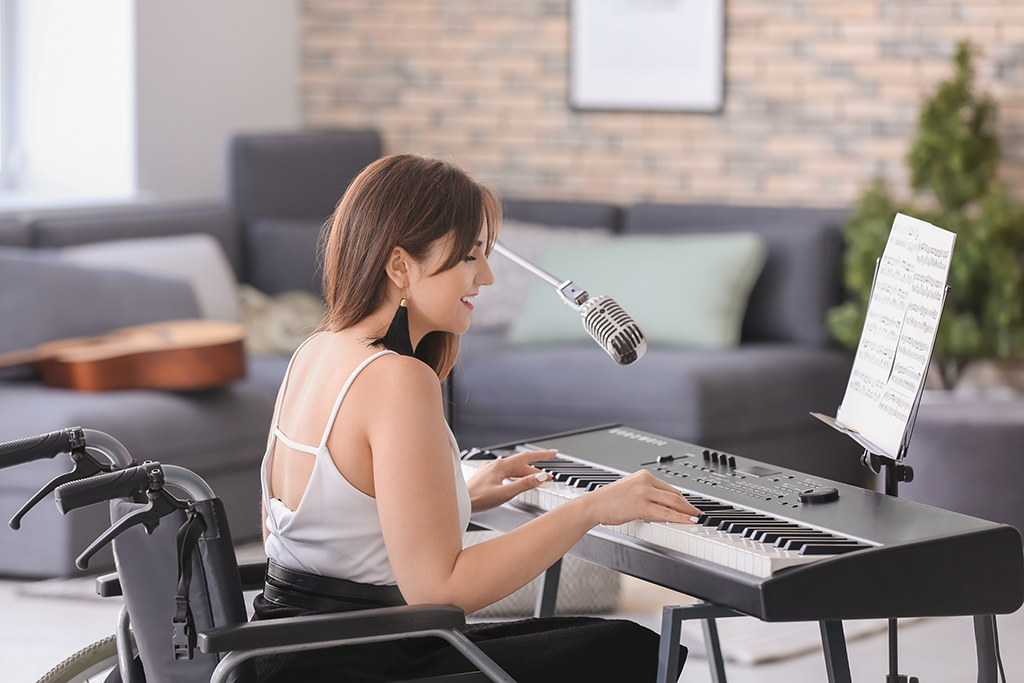

Music Therapy and Stroke
Music Therapy/active engagement in music experiences can assist in maintaining, enhancing and improving:
- Improve balance, posture, coordination, gait, reaction speed
- Increase speech volume and articulation
- Improve memory recall, recognition, attention span, concentration
- Decrease anxiety and depression
- Promote self-expression
- Promote connection with others
- Improve Quality of Life
Music Therapy and Traumatic Brain Injury
Music Therapy/active engagement in music experiences can assist in maintaining, enhancing and improving:
- Improve balance, posture, coordination, gait, reaction speed
- Increase speech volume and articulation
- Improve memory recall, recognition, attention span, concentration
- Decrease anxiety and depression
- Promote self-expression
- Promote connection with others
- Improve Quality of Life